How preserved roses are made, and how long they really last

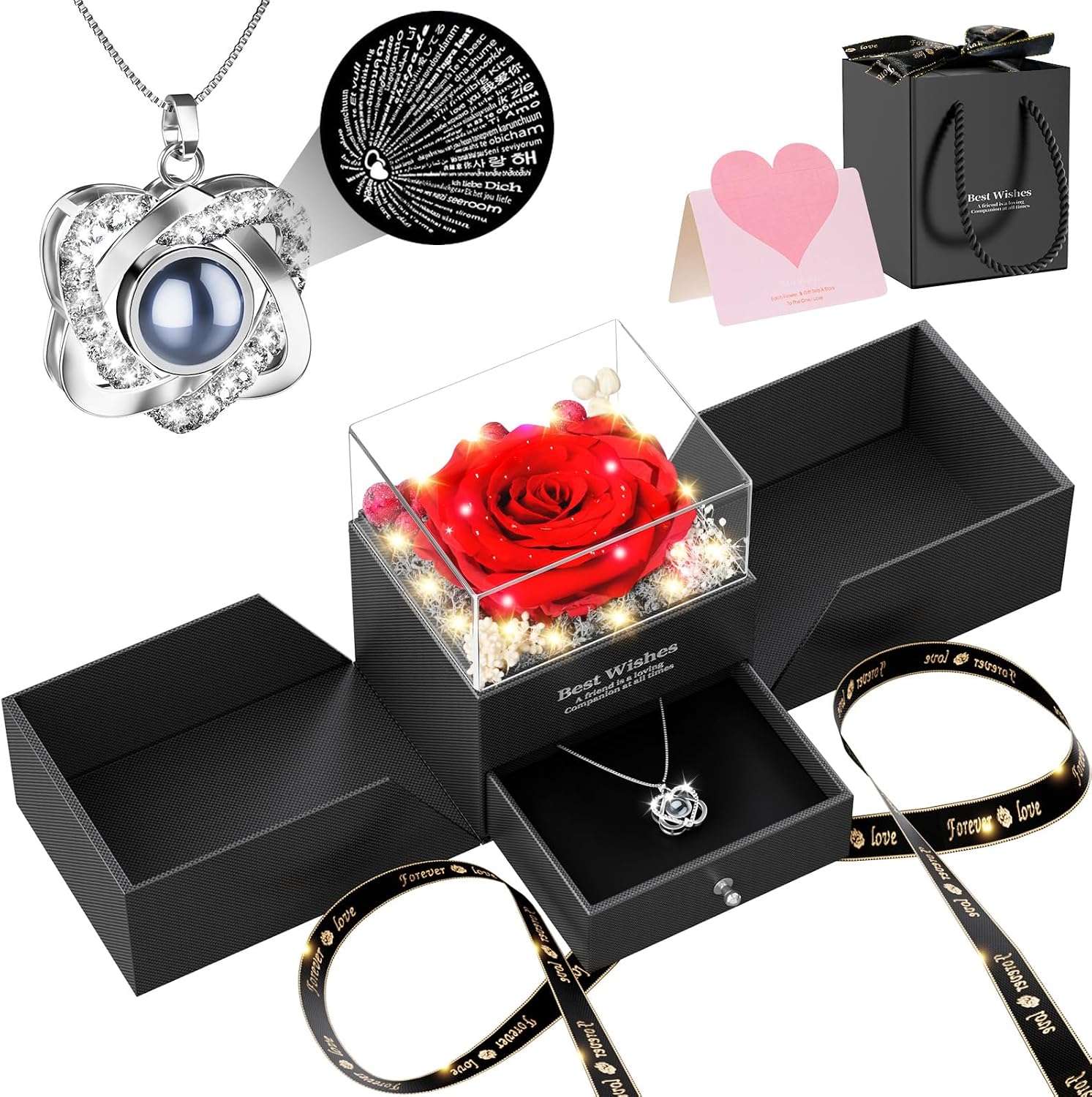
Four quite different products get sold as “roses that last”: preserved, dried, gold-dipped and artificial. They are made in different ways, they cost different amounts and they age differently. Knowing which one you are looking at is most of the decision.
Preserved is a real flower with its sap replaced
A preserved rose starts as a fresh cut bloom at peak. The sap is drawn out and replaced with a glycerine-based solution that keeps the cell walls supple, and colour is reintroduced because the original pigment goes with the sap. The result is soft to the touch and still botanically a rose.
That process is why preserved blooms cost more than dried ones. It is slow, it has a failure rate, and the flowers have to be cut at exactly the right moment. What you are paying for is the texture: a preserved petal bends, a dried one crumbles.
Dried is the same flower without the substitution
Drying removes the moisture and puts nothing back. The bloom keeps its shape and loses its flexibility, and the colour shifts towards a muted, papery version of itself. It is the oldest method and much the cheapest.
Dried flowers suit arrangements that will be looked at rather than handled. They are fragile in a way preserved blooms are not, and a dried rose in a gift box that travels across the country frequently arrives with damage a preserved one would have shrugged off.
Gold-dipped is a real bloom under metal
A dipped rose is a genuine flower sealed in successive layers of lacquer and then electroplated, so the finished object is metal on the outside and flower underneath. The petal shape is exact because it is the actual petal shape, which is what separates it from a cast ornament.
These are the most durable thing in this category by a wide margin. There is no organic surface exposed to air, so there is nothing to fade or go brittle. They are also the heaviest, which is worth knowing if you are posting one.
Artificial is a manufactured flower
Silk, foam and soap flowers are made rather than grown. Modern ones are convincing at arms length and the good ones are pleasant to handle, but no artificial bloom has the slight irregularity of a real petal, and up close that shows.
Where artificial wins is in bulk and in colour range. If you need forty matching stems in a specific shade for an event, artificial is the only sensible answer, and nobody should feel apologetic about it.
How long each actually lasts
A preserved rose kept out of direct sunlight and away from humidity holds well for one to three years, gradually softening in colour. A dried one holds its shape indefinitely but fades faster and grows brittle. Gold-dipped pieces last essentially as long as any other metal ornament.
The claim to be sceptical about is any preserved flower described as lasting forever. It is a natural material and it does change. Ours are described by what they are rather than by a number of years we cannot stand behind.
What shortens their life
Direct sunlight is the main enemy for anything preserved or dried; it bleaches colour faster than anything else. Humidity is the second, because preserved petals will reabsorb moisture from the air and go limp in a bathroom or a steamy kitchen.
Handling matters less than people expect for preserved blooms and a great deal for dried ones. If a piece is going to be picked up and shown to visitors, that is an argument for preserved or dipped rather than dried.
Domes, boxes and why they are not just packaging
A glass dome or a closed gift box is doing real work: it keeps dust off petals that cannot be washed and slows the air exchange that drives fading. A preserved arrangement kept under glass will outlast the same arrangement left open on a shelf.
It also makes the piece portable. A boxed arrangement can be moved between rooms or given on without being rearranged, which an open display cannot survive more than once or twice.
Choosing between them for a gift
For a keepsake that will be kept on a desk or a shelf and occasionally picked up, preserved under glass is the one that holds up. For something that needs to survive being posted, handled and possibly stored, gold-dipped is the durable choice.
For a table full of decorations at an event, artificial stems in quantity are the practical answer and dried arrangements sit somewhere in between. There is no single best option here, only a best fit for where the thing will live.
Preserved and keepsake pieces in stock
- Qnxoat r Preserved Red Rose Necklace with "I Love You" Heart Pendant — $29.99
- FlameFam BBQ Meat Resting Blanket for Brisket & Smoked Meats, 21-inch — $19.99
- WLSuDHoncc Red Artificial Rose Bouquet – 3 Soap Flower Petals Gift Set — $6.99
- BestiePal 100-Count Holographic Valentine's Heart Stickers for Gifts & Decor — $2.99
What to expect
Preserved is a real bloom with its sap replaced and stays soft for one to three years. Dried is the same flower without the substitution and is fragile. Gold-dipped is a real bloom under metal and lasts effectively indefinitely. Artificial is manufactured and comes into its own in bulk.
Questions about anything above? Our FAQ covers the usual ones, the Shipping Policy has the delivery detail, and you can contact us directly — we answer within one business day.